
Daycare Sick Policy: A Comprehensive Guide (Updated December 3, 2025)
Daycare centers navigate illness with detailed policies, often requiring exclusion for fever, vomiting, or contagious conditions, impacting working parents and necessitating clear PDF guidelines.
These policies aim to balance child health, parental needs, and legal compliance, demanding careful documentation and staff training to manage outbreaks effectively.
A robust sick policy, readily available as a PDF, is crucial for preventing widespread illness and maintaining a safe, healthy environment for all children.
Daycare settings, while fostering social and emotional development, unfortunately become hotspots for the transmission of common childhood illnesses. This increased exposure stems from close proximity among children, shared toys, and the natural exploration habits of young ones – all contributing to a higher incidence of coughs, colds, and other infections.
Consequently, a well-defined daycare sick policy, often distributed as a PDF document, is paramount. These policies aren’t merely administrative hurdles; they are vital safeguards protecting the health of all children, staff, and even families. They establish clear guidelines regarding when a child should be kept home, what symptoms warrant exclusion, and the procedures for re-admission after recovery.
The creation and consistent enforcement of a comprehensive sick policy demonstrate a commitment to a healthy environment. It also addresses legal responsibilities and provides parents with the necessary information to make informed decisions about their child’s well-being. A readily accessible PDF version ensures transparency and ease of understanding for all stakeholders.

The Increasing Prevalence of Daycare Sickness

Recent observations highlight a noticeable surge in illnesses circulating within daycare facilities, leading to increased parental frustration and workforce disruptions. This phenomenon, often termed the “revolving door of daycare illness,” is attributed to several factors, including waning immunity post-pandemic and a larger cohort of children entering group care without prior exposure to common pathogens.
The demand for clear and consistently applied daycare sick policies, readily available in PDF format, is escalating. Parents are increasingly seeking reassurance that centers prioritize health and safety, while also navigating the challenges of balancing work commitments with sick child care.
Consequently, centers are refining their policies, often tightening exclusion criteria and emphasizing the importance of prompt reporting. A comprehensive PDF document outlining these guidelines is now considered essential for effective communication and maintaining a healthy daycare environment.
Why Daycare Sick Policies are Essential
Daycare sick policies, ideally documented in a readily accessible PDF, are paramount for safeguarding the health and well-being of both children and staff. These policies act as a crucial preventative measure, minimizing the spread of contagious illnesses within the center and to families at large.
A well-defined policy protects vulnerable children, particularly those with underlying health conditions, and supports a healthy learning environment. Furthermore, clear guidelines reduce disruptions caused by frequent outbreaks, benefiting both parents and educators.
The availability of a comprehensive PDF ensures transparency and consistency in application, fostering trust between the daycare and the families it serves. Adherence to local health regulations and a proactive approach to illness management are also key benefits of a robust sick policy.
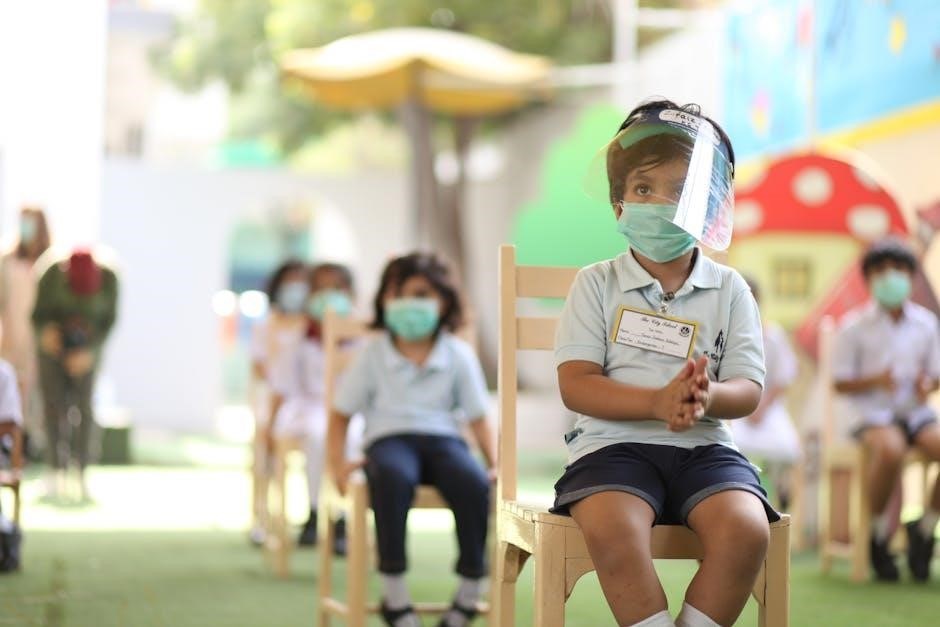
Key Elements of a Daycare Sick Policy PDF
A comprehensive daycare sick policy PDF must clearly define exclusion criteria, fever guidelines, protocols for vomiting/diarrhea, and specific timelines for contagious illnesses.
Detailed documentation and consistent application are vital for protecting children and staff.
Defining “Sick”: Specific Symptoms for Exclusion
Clearly outlining what constitutes “sick” is paramount in a daycare sick policy PDF. This section details specific symptoms requiring a child’s immediate exclusion to prevent illness spread.
Common exclusion symptoms include: a temperature of 98.6°F or higher, vomiting, diarrhea (one or more loose stools), a persistent cough, difficulty breathing, unexplained rash, pinkeye (conjunctivitis), and any symptoms of a contagious illness like chickenpox or the flu.
The policy should differentiate between mild symptoms potentially manageable with observation and those necessitating immediate parental pick-up. For example, a minor sniffle might not warrant exclusion, while a productive cough accompanied by fever does.
Detailed descriptions of each symptom, including observable signs, are crucial for consistent staff application. The PDF should also specify if a doctor’s note is required for readmission after certain illnesses.
Ambiguity must be avoided; clear, concise language ensures all staff and parents understand the exclusion criteria, fostering a healthier daycare environment.

Fever Guidelines: Temperature Thresholds and Medication
A daycare sick policy PDF must establish clear fever guidelines for consistent application. Typically, a temperature of 98.6°F (37°C) or higher, taken orally, rectally, or temporally, warrants exclusion.
The policy should specify the acceptable method of temperature measurement and emphasize the importance of accurate readings. A child must be fever-free for 24 hours without fever-reducing medication before returning.
Regarding medication, the policy should explicitly state that suppressing a fever with acetaminophen or ibuprofen does not permit a child to remain in daycare. Medication merely masks symptoms; the underlying illness still poses a risk.
The PDF should detail the procedure for notifying parents when a child exhibits a fever and the timeframe for pick-up. It’s vital to avoid relying solely on parental self-reporting of medication administration.
Consistent enforcement of these guidelines is crucial for minimizing the spread of febrile illnesses within the daycare setting, protecting all children and staff.
Vomiting and Diarrhea Protocols: Cleaning and Exclusion
A comprehensive daycare sick policy PDF must outline strict protocols for managing vomiting and diarrhea incidents. Immediate isolation of the affected child is paramount to prevent further spread.
The policy should mandate immediate parental notification and require the child’s prompt pick-up. Return to daycare is typically contingent upon being symptom-free for at least 24-48 hours.
Detailed cleaning procedures are essential. The PDF must specify the use of a bleach solution (following proper dilution guidelines) for disinfecting surfaces contaminated with vomit or diarrhea.
Staff training on proper hygiene practices – including handwashing and the use of personal protective equipment – is critical. Designated cleaning kits should be readily available.
The policy should address potential outbreaks, outlining procedures for enhanced cleaning and potential consultation with local health authorities. Thorough documentation of all incidents is also vital.
Contagious Illnesses: Specific Conditions and Timeframes (e.g., Chickenpox, Flu)
A detailed daycare sick policy PDF requires specific exclusion guidelines for contagious illnesses. This section must clearly list conditions like chickenpox, influenza (flu), and norovirus, alongside their respective return-to-care criteria.
For example, chickenpox typically necessitates exclusion until all blisters have crusted over, while influenza requires 24 hours of being fever-free without medication.

The policy should align with recommendations from local health departments and the CDC, acknowledging evolving guidelines. It must also address less common, yet contagious, illnesses.
Clear communication with parents is crucial regarding these timeframes. The PDF should emphasize the importance of medical diagnosis and adherence to exclusion periods.
Regular updates to this section are vital to reflect current public health concerns and ensure the policy remains effective in preventing outbreaks within the daycare setting.

Policy Implementation and Communication
Effective daycare sick policy PDF distribution and consistent enforcement are vital. Clear parent handbooks, staff training, and posted notices ensure understanding and compliance.
Open communication channels facilitate quick responses to illness concerns, protecting both children and the daycare community.
Regular policy reviews and updates maintain relevance and address emerging health challenges.
Parent Responsibilities: When to Keep a Child Home
Parents bear the primary responsibility for assessing their child’s health daily and making informed decisions regarding daycare attendance. A comprehensive daycare sick policy PDF should clearly outline specific symptoms requiring immediate exclusion.
These typically include a temperature of 98.6°F or higher, vomiting, diarrhea, contagious rashes, persistent coughing, or any signs of a potentially infectious illness like the flu or chickenpox.
It’s crucial to err on the side of caution; even mild symptoms warrant keeping a child home to prevent potential outbreaks. Parents should avoid administering fever-reducing medication solely to mask symptoms and enable daycare attendance, as this compromises accurate assessment.
Furthermore, parents must adhere to specified exclusion timeframes outlined in the PDF, often requiring a doctor’s note for readmission after certain illnesses. Promptly notifying the daycare of a child’s illness is also essential for effective management and contact tracing.
Ultimately, responsible parental participation is paramount in maintaining a healthy daycare environment.
Staff Responsibilities: Identifying and Managing Sick Children
Daycare staff play a vital role in upholding the sick policy, as detailed in the daycare sick policy PDF, by proactively observing children for signs of illness throughout the day. This includes monitoring for symptoms like fever, unusual lethargy, rashes, persistent coughing, or changes in behavior.
Staff must be trained to recognize these indicators and follow established protocols for assessment, including taking temperatures when necessary. If a child exhibits symptoms requiring exclusion, staff should immediately isolate the child in a designated area.
Prompt notification of parents is crucial, along with clear communication regarding the reason for exclusion and required documentation for readmission.
Furthermore, staff are responsible for implementing proper hygiene practices, such as frequent handwashing and disinfecting surfaces, to minimize the spread of germs. Accurate documentation of illness incidents and adherence to outbreak protocols, as outlined in the PDF, are also essential duties.
Consistent and diligent staff adherence ensures a safe and healthy environment.
Documentation and Reporting: Tracking Illness and Outbreaks
Meticulous documentation is a cornerstone of an effective daycare sick policy, as outlined in the daycare sick policy PDF. Staff must maintain accurate records of all illness-related incidents, including symptoms observed, temperatures taken, parent notifications, and exclusion dates.
This data is crucial for identifying patterns and potential outbreaks within the daycare setting. The PDF should detail specific reporting procedures, including who is responsible for compiling and submitting reports.
Reporting requirements may extend to local health departments, particularly in cases of suspected communicable diseases.
Detailed records facilitate informed decision-making regarding preventative measures, such as enhanced cleaning protocols or temporary classroom closures. Maintaining confidentiality of child health information is paramount, adhering to privacy regulations. Regular review of documentation helps assess policy effectiveness and identify areas for improvement, ensuring a proactive approach to child health and safety.
Thorough tracking supports a healthy daycare environment.

Legal and Practical Considerations
The daycare sick policy PDF must align with local health regulations, balancing legal compliance with practical needs, including doctor’s notes and parental requests.
Centers must navigate these aspects carefully to ensure both child wellbeing and operational feasibility.
Compliance with Local Health Regulations
Ensuring a daycare sick policy PDF adheres to local health regulations is paramount for legal operation and safeguarding children’s wellbeing. These regulations vary significantly by region, often dictating specific exclusion criteria for illnesses like influenza, norovirus, and chickenpox.
Daycare providers must actively research and understand their local health department’s guidelines regarding communicable disease reporting, sanitation protocols, and acceptable documentation – such as doctor’s notes – for re-admission after illness.
Failure to comply can result in fines, temporary closures, or even license revocation. The PDF should explicitly state the center’s commitment to following these regulations and provide resources for parents to access relevant local health information. Regular policy updates are vital to reflect any changes in these regulations, ensuring ongoing compliance and a safe environment.
Maintaining a current understanding of these legal requirements is a non-negotiable aspect of responsible daycare operation.
Doctor’s Notes and Medical Certificates: Requirements and Exceptions

A comprehensive daycare sick policy PDF should clearly outline requirements for doctor’s notes or medical certificates, particularly after prolonged illnesses or for readmission following specific contagious conditions. Many centers require documentation confirming a child is no longer contagious before returning to care.
The PDF must specify which illnesses necessitate a doctor’s note – for example, confirmed cases of strep throat or influenza – and the acceptable timeframe for the note’s validity. Exceptions might be made for minor illnesses with a 24-hour symptom-free period, as determined by staff observation.
Clearly defining these expectations minimizes confusion and ensures consistent application of the policy. The document should also address situations where obtaining a doctor’s appointment is challenging, offering potential temporary solutions while prioritizing child health and safety.
Transparency regarding medical documentation is crucial for building trust with parents.
Balancing Parental Needs with Child Health

A well-crafted daycare sick policy PDF acknowledges the challenges faced by working parents while prioritizing the health and safety of all children. The policy should strive for a balance, recognizing that strict exclusion criteria can disrupt work schedules and create financial burdens.
The PDF might include provisions for partial attendance or temporary accommodations where feasible, always ensuring the sick child remains appropriately separated from well children. Clear communication regarding illness outbreaks and expected exclusion periods is vital.
Offering resources for backup childcare or sick leave information can demonstrate empathy and support for families. The policy should emphasize a collaborative approach, encouraging open dialogue between parents and staff to find reasonable solutions.
Ultimately, the goal is a policy that protects child health without unduly penalizing working parents.
Sample Exclusion Timeframes for Common Illnesses
A comprehensive daycare sick policy PDF should detail exclusion timeframes for common childhood illnesses. For fever, a minimum of 24 hours fever-free without medication is standard. Vomiting and diarrhea typically require a 48-hour exclusion, starting after the last incident.
Contagious illnesses like chickenpox necessitate exclusion until all sores have crusted over, often around 5-7 days. The PDF should specify a doctor’s note may be required for conditions like the flu or strep throat, with return permitted after 24 hours of antibiotic treatment.
Pinkeye (conjunctivitis) usually requires 24-48 hours of antibiotic treatment before returning. These are examples; the PDF must align with local health regulations and emphasize professional medical advice.
Clear, concise timeframes within the PDF minimize ambiguity and support consistent application of the policy.
Resources for Further Information on Child Illnesses
A well-rounded daycare sick policy PDF should include a section listing reliable resources for parents seeking more information about childhood illnesses. The Centers for Disease Control and Prevention (CDC) website (cdc.gov) offers comprehensive guidance on infectious diseases and prevention.
The American Academy of Pediatrics (AAP) (aap.org) provides evidence-based information on child health, including illness management. Local health department websites are invaluable for region-specific guidelines and outbreak updates.
Including links to these resources within the PDF empowers parents to make informed decisions and seek appropriate medical care. Furthermore, the PDF could list trusted websites offering symptom checkers and first-aid advice.
Providing these resources demonstrates a commitment to supporting families and promoting child wellness alongside the sick policy.